
Define the role before you write the ad
Most hiring problems start before the job is posted. A team is stretched, someone says “we need another designer”, and an ad goes up the same afternoon. Weeks later, the agency is interviewing people for a role nobody has properly defined.
Start by answering a few questions:
- What will this person deliver in their first 90 days? Name the clients, projects or outcomes.
- What are the must-haves? Keep it to three or four. Everything else is a nice-to-have.
- What’s the salary range? Agree it now, not at offer stage.
- Who is the hiring lead? One person should own the process and the decision.
It’s also worth checking the numbers. If your team’s utilisation has been high for months and the work is ongoing, a permanent hire makes sense. If the pressure comes from one large project, a freelancer or contractor may be the better call.
Write a job post people finish reading
Good candidates are choosing between agencies too. Your job post is often the first piece of your work they see, so treat it like one.
- Lead with the work. Describe the clients, projects and team they’ll be part of before the list of requirements.
- Be specific. “Lead the design of a national retail campaign” says more than “work on exciting briefs”.
- Include the practical details: salary range, location, workplace type and employment type.
- Keep requirements short. A long list puts off strong candidates who don’t tick every box.
Add a few application questions that save time later, such as right to work, notice period, portfolio link and availability to start.
Review applicants consistently
Reviewing applications in a rush is where good people slip through. Set up a simple, consistent process:
- Screen every application against the must-haves you defined, and nothing else.
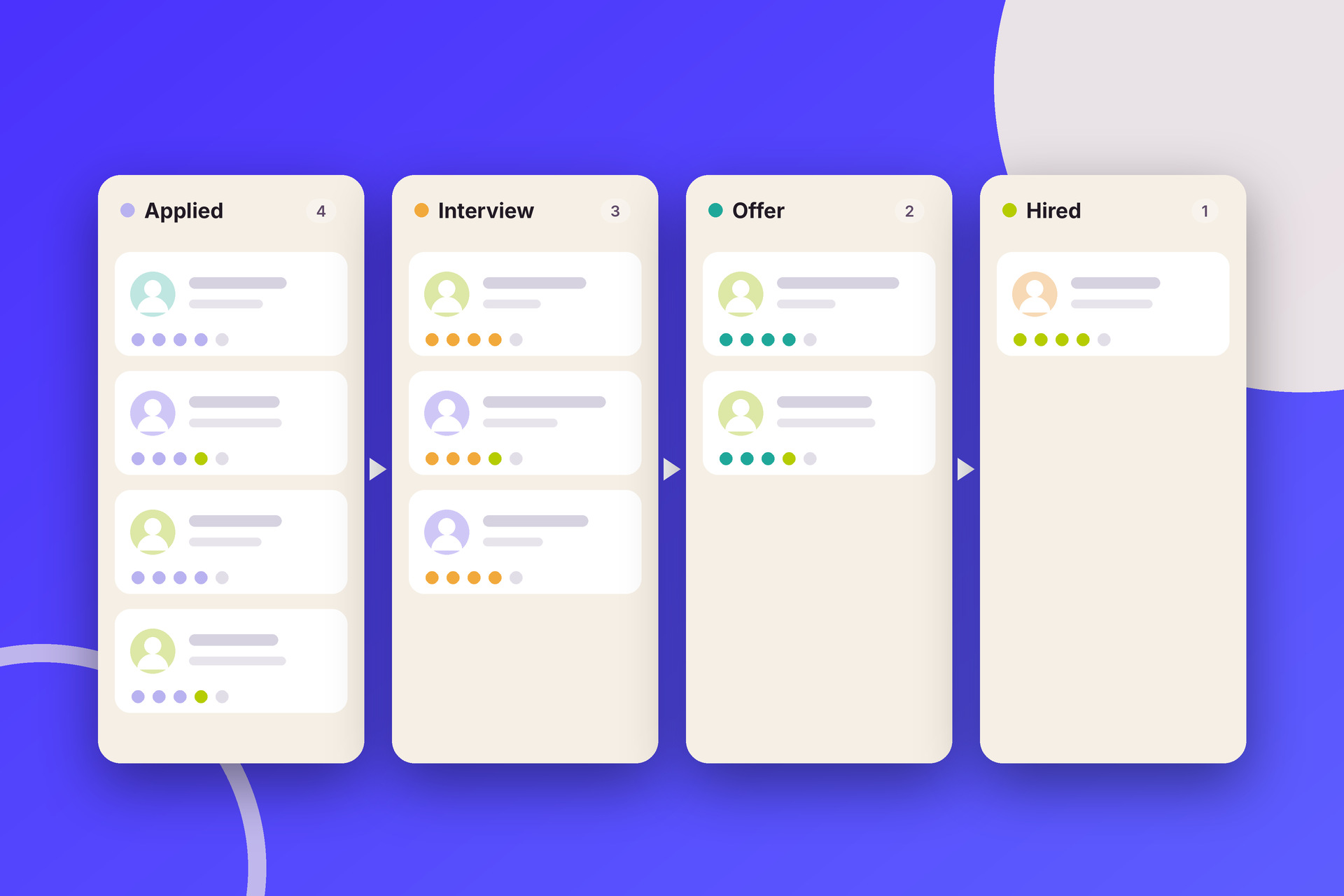
- Sort applicants into good fit, maybe and not a fit, so the shortlist is obvious.
- Have two people review the shortlist to reduce individual bias.
- Keep notes and comments in one place, not scattered across email and chat.
- Reply to everyone, including the people you’re not progressing. A short, kind message protects your agency’s reputation.
Run structured interviews
Unstructured interviews tend to reward the most confident candidate rather than the best one. A little structure makes the process fairer and your decisions easier to defend.
- Ask every candidate the same core questions at each stage, so you’re comparing like with like.
- Use a scorecard. Rate each criterion before the panel discusses the candidate, so the first opinion in the room doesn’t sway everyone else.
- Include a practical task that reflects the real job, and keep it short. If it takes more than a couple of hours, consider paying for it.
- Make scheduling easy. Offer a few times to choose from instead of trading emails.
- Keep it moving. Two or three stages over two to three weeks is plenty. Strong candidates won’t wait.
Make an offer that’s easy to say yes to
Call the candidate to make the offer before you send anything in writing. Then follow up quickly with a written offer that covers the salary, start date, benefits, probation period and when the offer expires. If someone else needs to approve the offer, get that sign-off before you call, not after.
Make it easy to accept – a clear letter they can sign online is better than a PDF they have to print and scan. And keep your other strong candidates warm. With their consent, add them to a talent pool so you can come back to them when the next role opens.
Plan the first day before they accept
A new starter’s first week shapes how they feel about the agency for months. Plan it while the offer is out:
- Send an onboarding invitation so they can enter their own details before day one.
- Set up their accounts and permissions, and make sure their equipment is ready.
- Assign a buddy who isn’t their manager, so they have someone to ask the small questions.
- Plan their first week, including introductions, the tools they’ll use and a real piece of work to start on.
Check in at the end of the first week and again at 30 days. It’s the best time to catch problems early, for both of you.
Where Graysync fits
Graysync covers the hiring process from job post to onboarding. These Help Centre articles walk through each step: